Earth and Life Institute – Faculty of Bioscience Engineering
Challenges
In a regional context marked by food insecurity, climate change, rising prices of basic foodstuffs, pandemics and extreme poverty, Senegal has committed to achieving food sovereignty by strengthening its agriculture, livestock and fishery sectors. To achieve the Sustainable Development Goals (SDGs), Senegal is focusing on agriculture as a driver for economic development, while preserving natural resources.
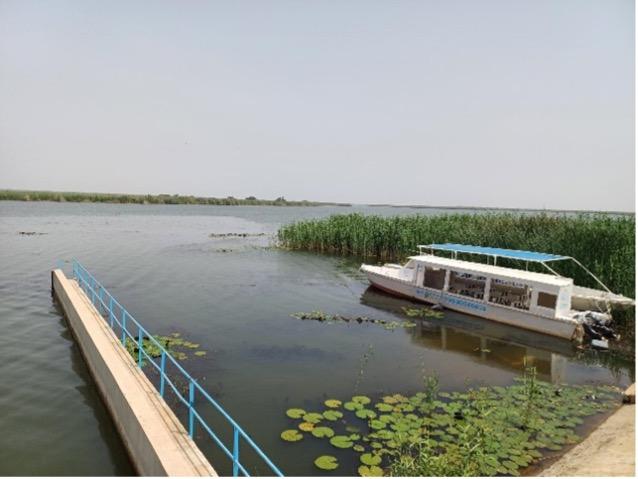
The Lac de Guiers basin is particularly important in this context. This basin, which is the object of this research project, has seen a rapid transformation following the development of flood/ irrigated farming and even winter crops. This development has had a significant impact, giving rise to the deterioration of lake ecosystems as well as health risks that have yet to be demonstrated.
However, the databases and scientific knowledge needed to identify and highlight these impacts are fragmentary, incomplete and insufficiently validated. The lack of data and studies on this issue is an obstacle to the development of effective agricultural programmes and strategies capable of reconciling food production with conservation in light of environmental challenges.
UCLouvain’s contribution
Professor Marnik Vanclooster’s team, which works under the umbrella of the Earth and Life Institute, is conducting this research project with the aim of raising awareness of the importance of the safeguarding the Lac de Guiers - which is an important water reservoir - among Senegalese stakeholders in the water and agriculture sectors.
This project aims to strengthen the diagnostic capabilities of water managers and agricultural stakeholders in a context of diffuse pollution. More specifically, it focuses on the fate of plant protection products in the hydrosystem of the Lac de Guiers.
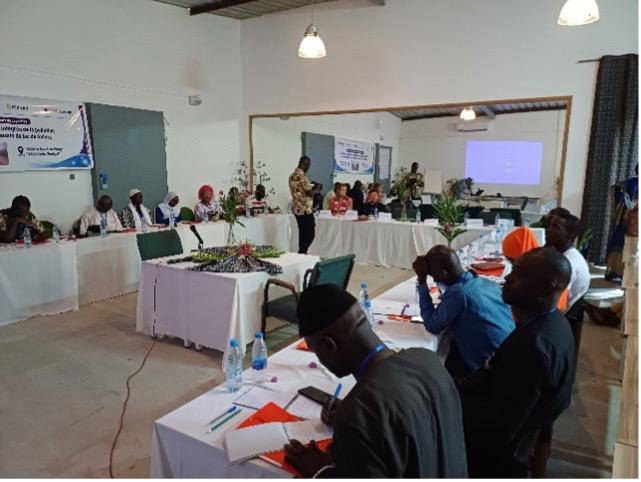
The team has worked with local actors to set up a platform for exchanges between all the stakeholders around the lake.