ESPO – JURI
Challenges
We are living in very troubled times, with an unprecedented degradation of the biosphere, the rise of authoritarian regimes, worsening social inequality, etc. It is now clear that the dominant economic system, namely capitalism, is a system of exploitation (of humans and nature) and is therefore one of the sources of this systemic devastation. So we must work to transform this system. This is what underpins our approach.
UCLouvain’s contribution
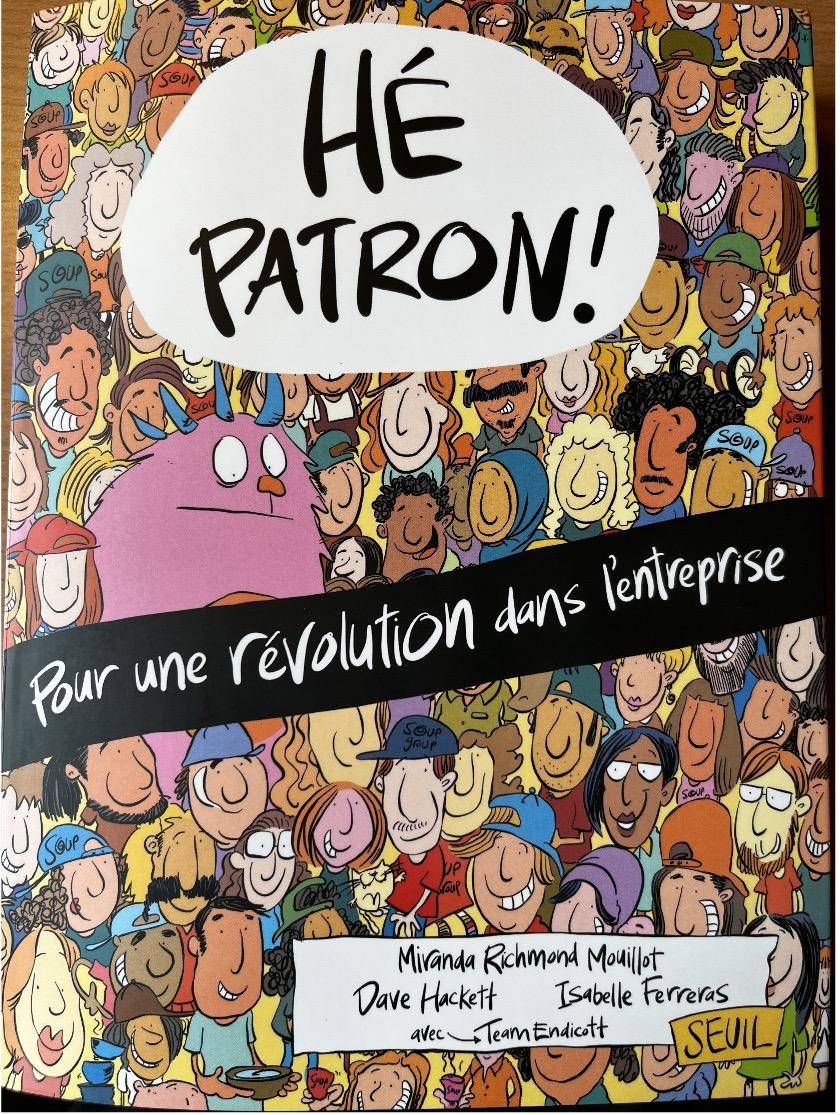
The economic sphere is traditionally driven by profit maximisation. In modern capitalist companies, the shareholders who provide capital also pull the strings. They decide which goals need to be achieved and how to achieve them. These prerogatives are enshrined in law. In our interdisciplinary research (sociology, law, political science, philosophy), we hypothesise that we must strive for a transformation of the governance of productive entities that strengthens the power of their main constituent, i.e., workers. In our view, this is the best way forward for a new and much-needed conversation on the very essence of economic activity, an unparalleled opportunity to rethink the emancipatory links between work and nature.