Earth and Life Institute – Faculty of Bioscience Engineering
Challenges
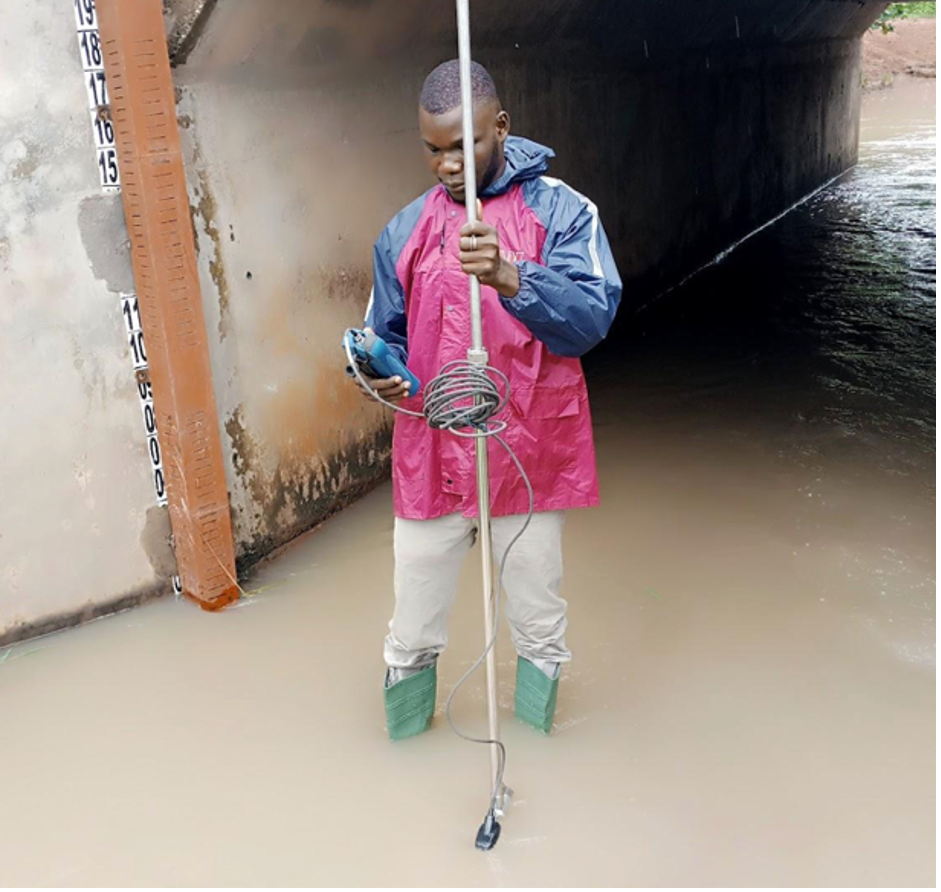
The lowlands in West Africa are very fertile and their hydrological dynamics are ideally suited for multiple cropping (harvesting more than once a year), including in the off-season. The lowlands are widely recognised as agricultural areas that can significantly enhance food security in the region. Despite these advantages, only a small part of Benin’s lowlands are currently farmed. This is largely due to a lack of insight into the hydrology of these lowlands. The project starts from a detailed study of the hydrological processes and hydraulic behaviour of a selection of pilot lowlands that are representative of Benin’s lowlands to propose hydro-agricultural infrastructures. These can shore up the climate change resilience of sustainable farming systems.
UCLouvain’s contribution
Professor Marnik Vanclooster’s team, which works under the umbrella of the Earth and Life Institute, conducts research in agricultural hydrology and integrated water resources management. The team is consolidating the scientific evidence to improve water resources management, with a focus on countries in the Global South. With this food security project in West Africa, the team is contributing to the achievement of the United Nations Sustainable Development Goals (SDG). The team is specifically working on achieving SDGs 2 (zero hunger) and 6 (clean water and sanitation). By improving knowledge of the hydrological processes in these lowlands, the project can boost agricultural production and productivity in Benin, enhancing the country’s food security.